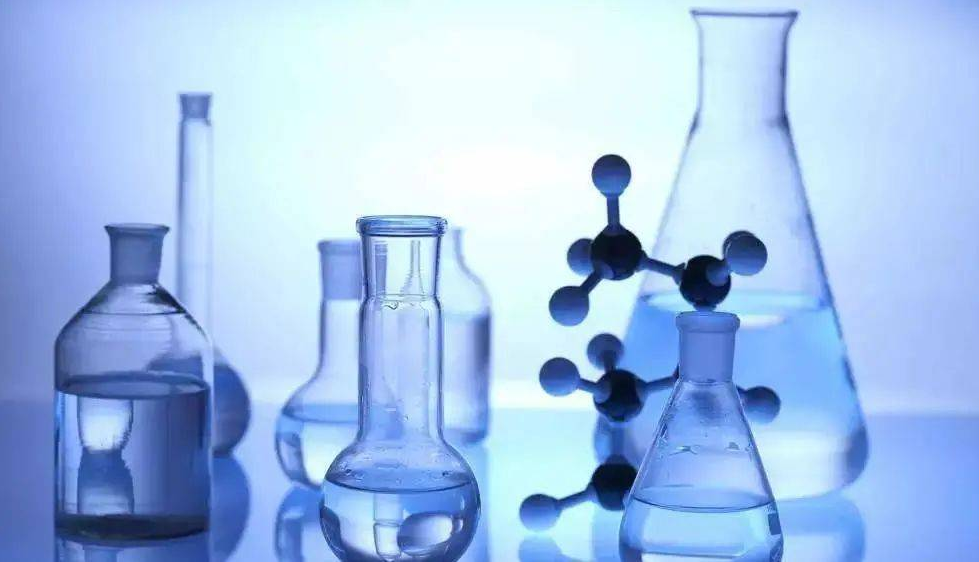
This guide outlines a standardized gold extraction process utilizing aqua regia dissolution followed by chemical reduction, optimized for operational efficiency, safety, and purity.
Essential Chemicals and Tools for Gold Extraction
| Category | Reagents/Tools | Role |
|---|---|---|
| Dissolution | Nitric acid (HNO₃), hydrochloric acid (HCl), aqua regia | Dissolve gold; form chloroauric acid complex (HAuCl₄). |
| Reduction | Sodium bisulfite (NaHSO₃), zinc strips (alternative) | Reduce Au³⁺ to Au⁰; precipitate gold powder. |
| Purification | Hydrochloric acid (15%), borax (Na₂B₄O₇·10H₂O) | Remove iron/metal impurities; flux for smelting. |
| Safety & Handling | Gas mask, acid-resistant gloves, fume hood, pH test paper | Ensure operator safety; monitor solution conditions. |
| Smelting | Crucible, musket furnace, sodium carbonate (Na₂CO₃) | High-temperature melting; stabilize molten |
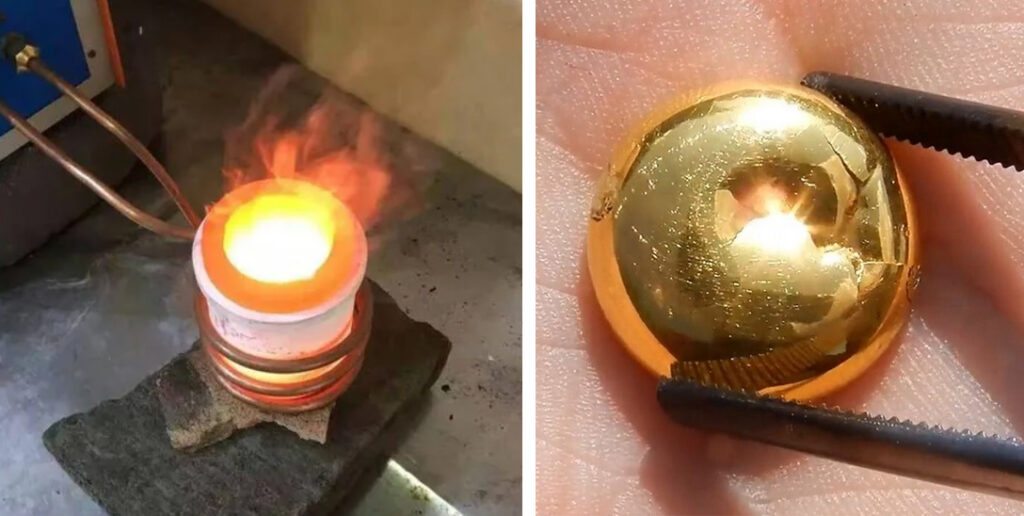
Step 1: Dissolution of Impure Gold
Objective:
Dissolve impure gold or refined ore concentrates using aqua regia.
Safety Conditions:
- Conduct operations in a well-ventilated fume hood.
- Always add acids slowly to control the exothermic reaction.
Preparation of Aqua Regia:
Mix 3 parts hydrochloric acid (HCl) with 1 part nitric acid (HNO₃).
Procedure:
- Place impure gold in a clean glass or quartz beaker.
- Add aqua regia slowly, allowing the reaction to proceed under controlled conditions.
- When the reaction subsides, heat gently until the volume reduces to about one-fifth of the original (ensures complete dissolution).
- Add concentrated HCl in small amounts (3–4 aliquots, total ≈ nitric acid volume) to expel free nitric acid. Stop when no more reddish-brown NO₂ gas evolves.
- Cool the solution and filter to remove insoluble residues.
- Dilute with distilled water to achieve a gold concentration of approximately 50 g/L.
Step 2: Gold Reduction (Precipitation)
Objective:
Reduce Au³⁺ ions in solution to metallic gold (Au⁰).
Operating Conditions:
- Maintain temperature at 30–40 °C.
- Prepare 150 g/L sodium bisulfite (NaHSO₃) as the reducing agent.
Procedure:
- Stir the gold solution vigorously.
- Add NaHSO₃ solution gradually while maintaining good mixing.
- Continue until:
- The solution becomes colorless and clear (indicating complete precipitation).
- The pH is neutralized (verify using pH paper).
- Allow gold powder to settle. Decant the clear supernatant.
- Wash the precipitated gold with boiling distilled water until all washings are colorless.
Step 3: Purification of Gold Powder
Objective:
Eliminate adsorbed impurities such as iron oxides and chlorides.
Procedure:
- Stir gold powder in 15% hydrochloric acid for approximately 5 minutes.
- Carefully decant the acid (avoid gold loss).
- Repeat washing with distilled water until the effluent runs clear.
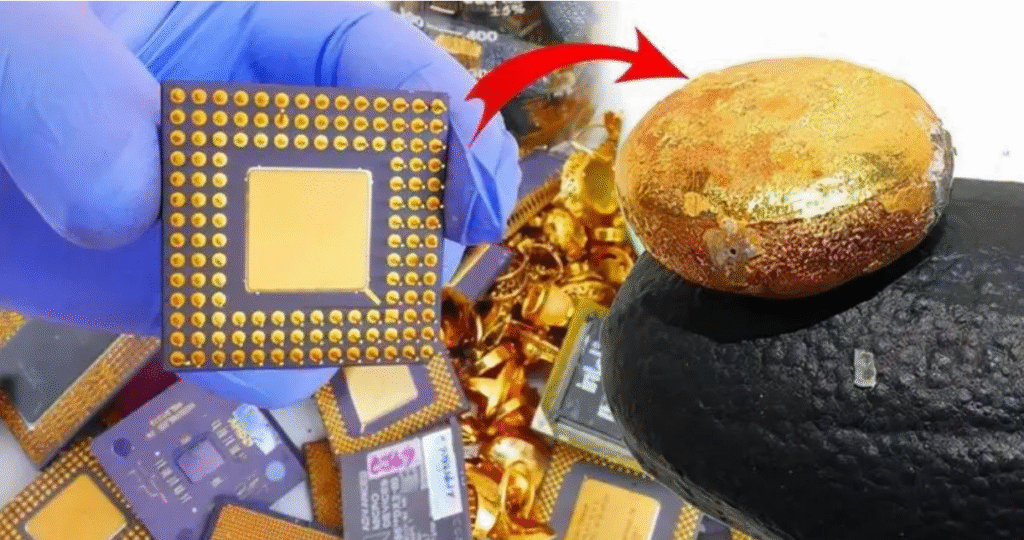
- Filter and dry to obtain sponge gold — a high-purity intermediate concentrate.
Step 4: Smelting to Produce Refined Gold
Objective:
Convert sponge gold to 99.9% pure gold ingot.
Conditions:
- Use a graphite or clay crucible with borax flux to remove surface oxides.
- Melt in a muffle or gas furnace under controlled temperature.
Outcome:
Obtain a solid gold ingot of ≥99.9% purity.
Procurement and Technical Support
For bulk supply of reagents (e.g., nitric acid, sodium bisulfite, hydrochloric acid) or customized extraction equipment,
please contact Dasen Mining Machinery. Our expert engineers provide tailored gold recovery solutions and full EPC project support to optimize safety, yield, and cost efficiency.
Recent Posts
-
 How Did Mongolia’s 5,000 t/d Heap Leaching Project Boost Gold Recovery with Eco-Friendly Reagent A+?
 -
 Why Choose Dasen for Your Sodium Cyanide Gold Extraction Needs?
 -
 Why Does Built Labs Improve Zimbabwe’s Gold Processing Profits?
 -
 What Makes 95% Efficient Activated Carbon the Top Choice for Zambia’s Gold Recovery?
 -
 10TPD CIL Plant to Ghana is nearing completion